London is ancient. Roman walls from 200 AD still stand beneath office buildings. Medieval crypts lie forgotten under modern streets. Victorian sewers flow beneath Tube tunnels. Two thousand years of continuous occupation, layered on top of each other. You'd think we...
Articles
St. Paul’s Cathedral: The Secrets Wren Actually Did Hide
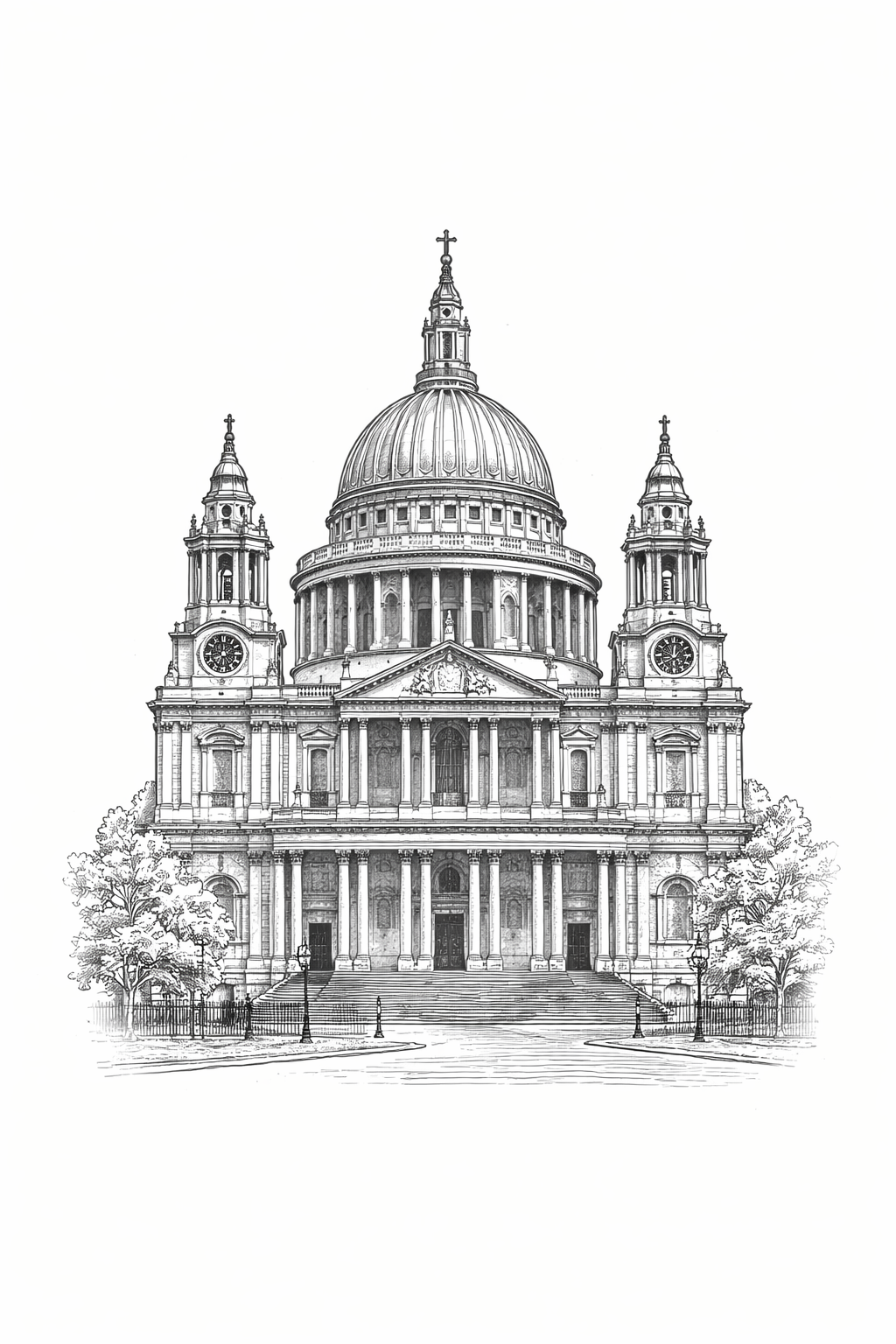
St. Paul’s Cathedral contains documented secrets Wren deliberately hid: a library “cleverly concealed by ingenious architecture,” an invisible structural cone bearing the dome’s weight, and a design he built differently than approved. He deceived authorities, created hidden spaces, and built essential structures no one can see. These aren’t theories—they’re facts. If he did this at St. Paul’s, what might he have hidden in his other 51 churches?
When Modern Technology Reveals Historical Secrets: From Pyramids to London
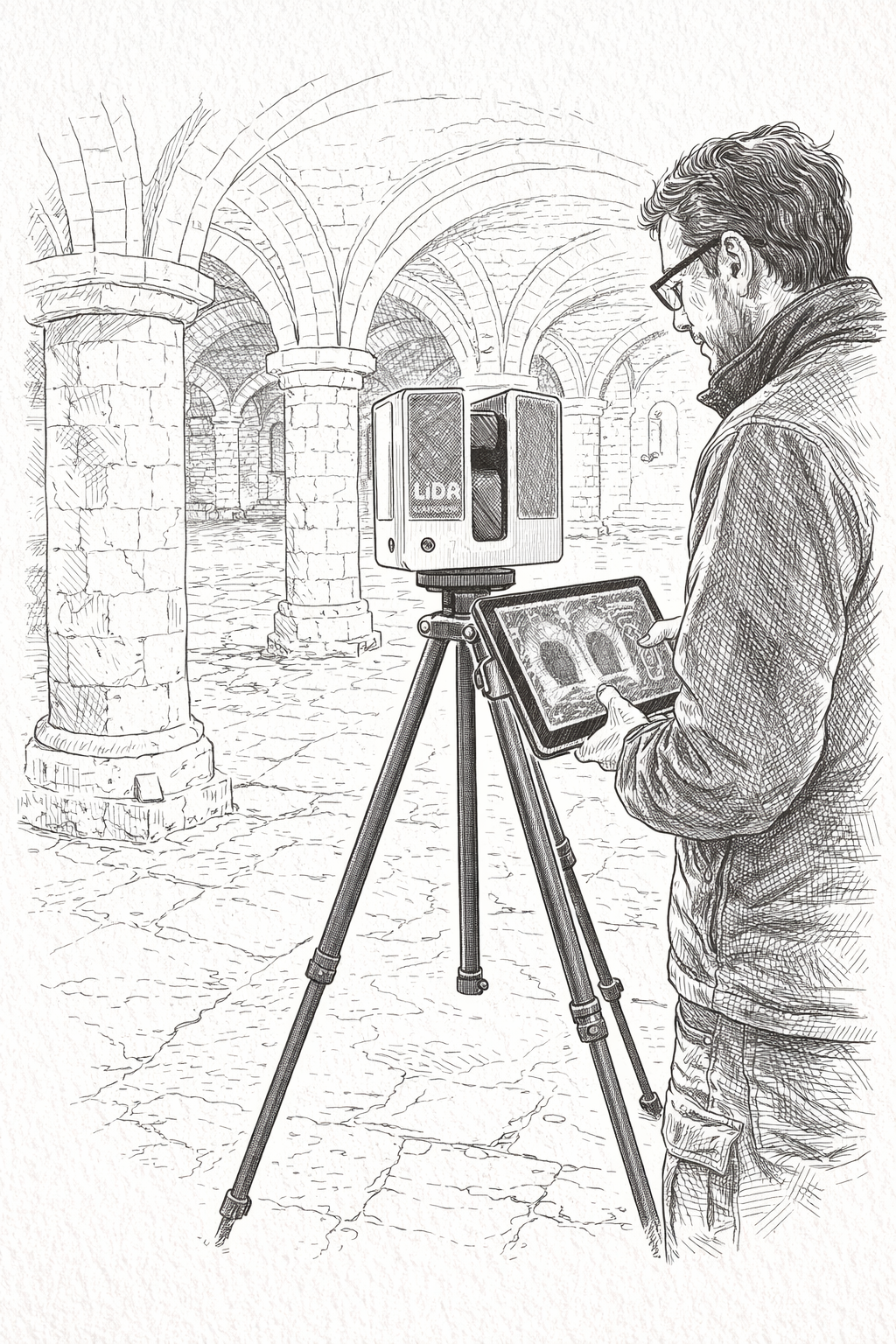
In 2017, scientists found a hidden chamber in the Great Pyramid—after 4,500 years of study. Using cosmic ray imaging. If we’re still finding secrets in the world’s most-studied structure, why wouldn’t London have surprises? Ground-penetrating radar revealed lost Mayan cities. Laser scanning found medieval crypts in Canterbury. The technology exists. The question is: who’s looking?
London’s Underground: The Hidden Rivers and Forgotten Tunnels Beneath Your Feet
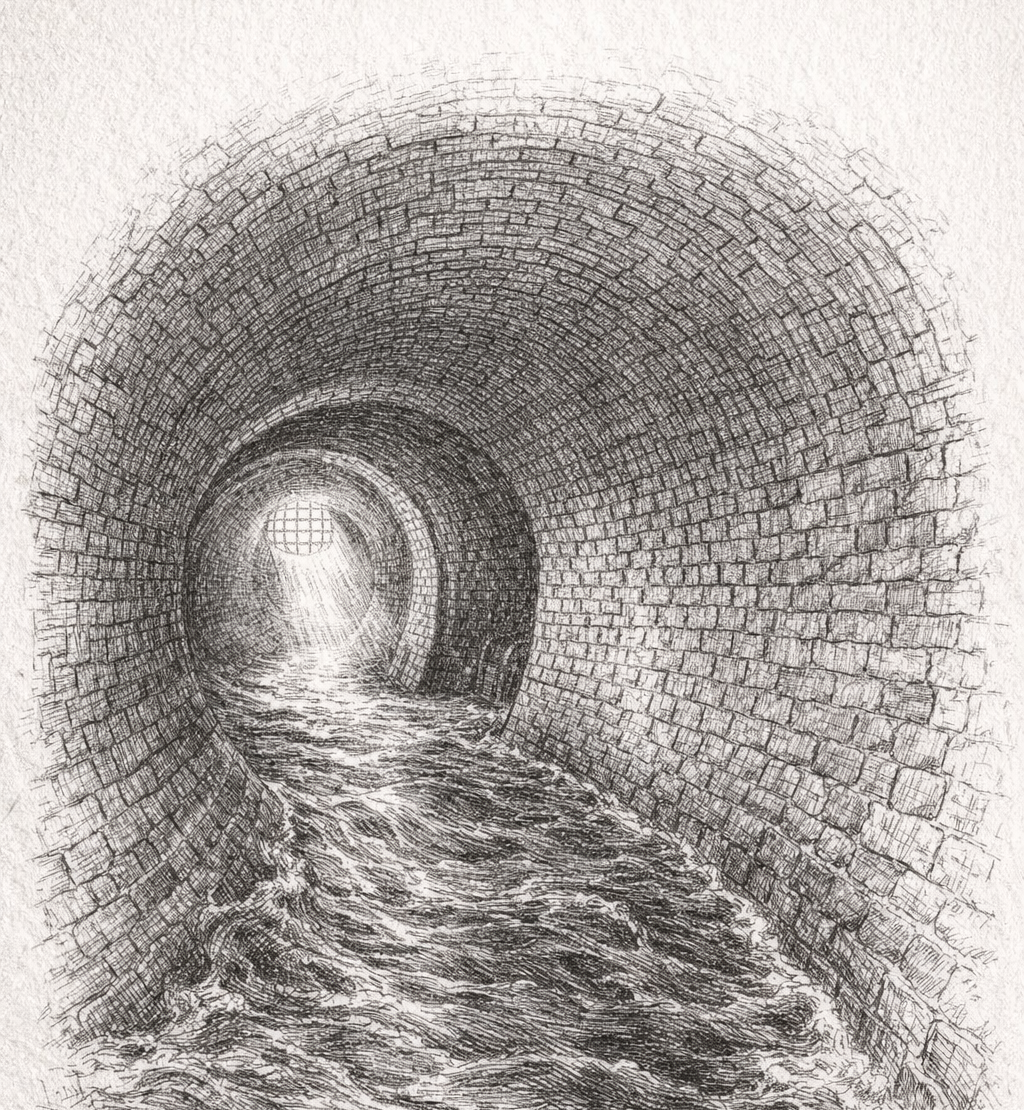
Stand on Fleet Street and you’re walking over a river. Forty feet below, the River Fleet still flows in a Victorian brick tunnel. It’s one of at least 21 buried rivers beneath London—along with abandoned Tube stations, Roman foundations, and medieval crypts. London never throws anything away. It just buries it and builds on top. And sometimes, that hidden infrastructure becomes the only escape route.
Wren’s Mathematical Genius: How Architecture Becomes a Code
Christopher Wren wasn’t primarily an architect—he was a mathematician and astronomer. When he rebuilt London after the Great Fire, he encoded astronomical alignments, geometric ratios, and mathematical principles into his churches. His genius: he built a hidden structural cone inside St. Paul’s dome that’s invisible but essential. Could he have hidden something more deliberate?
The Real Great Fire of London: Could There Have Been Three Ignition Points?
Every British schoolchild learns the Great Fire started in one bakery. But even in 1666, Londoners didn’t believe it. Samuel Pepys wrote about “fire taking hold in several places.” Robert Hooke noted “flame appearing in diverse quarters near simultaneously.” Could there have been multiple ignition points? The historical evidence is surprisingly uncertain.