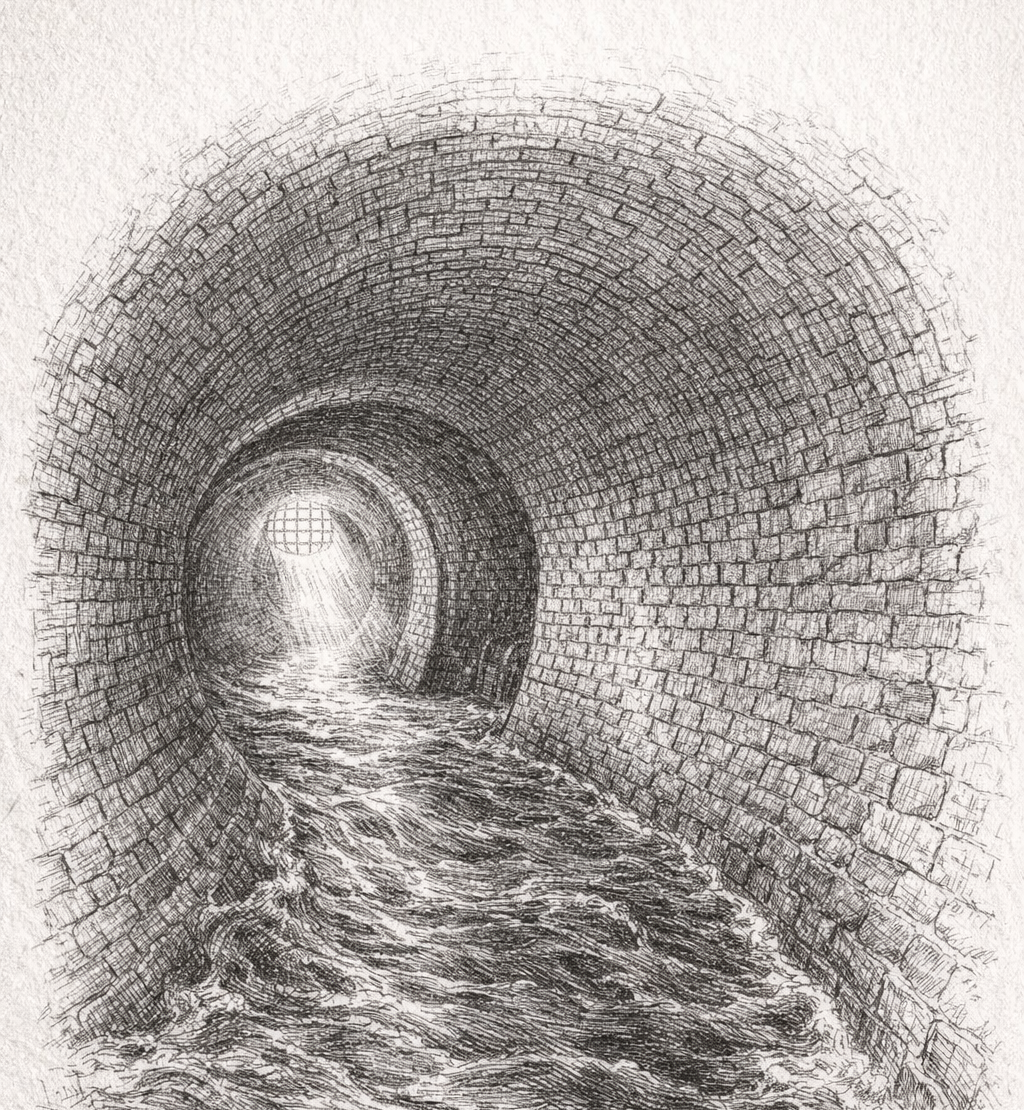
London is ancient. Roman walls from 200 AD still stand beneath office buildings. Medieval crypts lie forgotten under modern streets. Victorian sewers flow beneath Tube tunnels. Two thousand years of continuous occupation, layered on top of each other.
You'd think we know this city by now.
We don't.
Every year, London reveals secrets. Construction projects uncover Roman roads. Restoration work finds sealed chambers. Modern scanning technology discovers voids in buildings studied for centuries.
Here are five London buildings that surprised us with discoveries we made just recently—some within the last few years.
These aren't ancient mysteries. These are secrets hiding in plain sight in one of the world's most documented cities.
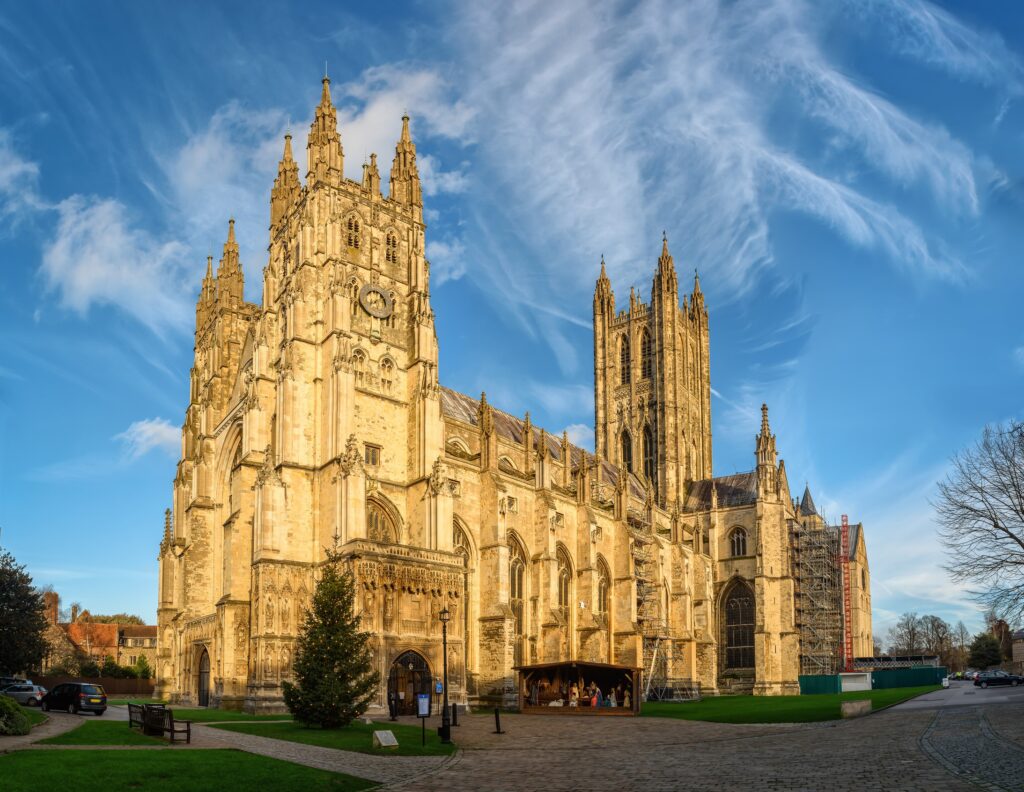
- CANTERBURY CATHEDRAL: THE MEDIEVAL CRYPT (2023)
BUILDING: Canterbury Cathedral (founded 597 AD, rebuilt many times)
TECHNOLOGY: Laser scanning during restoration
DISCOVERY: A previously unknown medieval crypt, sealed for centuries
Canterbury Cathedral is one of Britain's most famous buildings. It's been studied for over 1,400 years. Architectural historians have documented every visible feature. Restoration work happens constantly. In 2023, laser scanning during routine restoration identified something nobody expected: a sealed medieval crypt.
Not a small cavity. A significant architectural space, hidden behind a wall, undiscovered despite centuries of investigation.
Think about that timeline:
597 AD: Cathedral founded
1070 AD: Rebuilt by Normans
1174 AD: Rebuilt after fire
1400s-1800s Numerous restorations and studies
2023: Hidden crypt discovered
Over 1,400 years of continuous use, study, and maintenance—and we're still finding rooms.
Why it stayed hidden: The crypt was sealed during medieval modifications. Later restoration work focused on visible architecture. Nobody was looking for hidden spaces because comprehensive documentation suggested we'd found everything.
What this means: Even intensively studied buildings hide secrets. "Fully documented" doesn't mean "completely discovered."
If Canterbury can surprise us in 2023, what about Wren's churches—many of which receive far less scholarly attention?
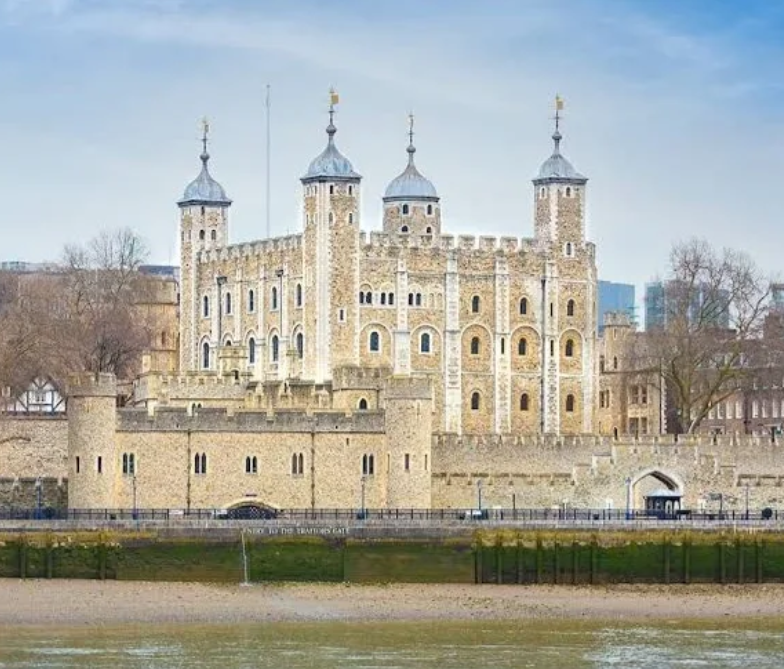
- THE TOWER OF LONDON: THE MEDIEVAL PALACE (2006-2012)
BUILDING: Tower of London (founded 1066)
TECHNOLOGY: Archaeological excavation + historical research
DISCOVERY: Lost medieval palace rooms of Edward I
The Tower of London is one of the most visited historic sites in the world. Millions of tourists. Decades of study. Comprehensive historical records. Between 2006 and 2012, archaeologists uncovered lost medieval palace rooms that nobody knew existed.
These weren't minor chambers. They were significant state rooms built by Edward I in the 1270s-80s, described in medieval accounts but whose locations had been forgotten. Later construction had obscured them. Historians assumed they'd been demolished.
They hadn't. They were hidden behind later walls, buried under subsequent building phases.
Archaeological investigation and comparison with medieval documents revealed the palace's original layout. Rooms that hosted medieval court life—forgotten for 700 years—were rediscovered and restored.
Why it stayed hidden: The Tower has been continuously modified for 1,000 years. Prison cells replaced throne rooms. Barracks covered state chambers. Each era built on top of the previous era, burying evidence of earlier use.
What this means: London buildings are palimpsests. Layers of history written over each other. The earlier layers don't disappear—they're just covered up.
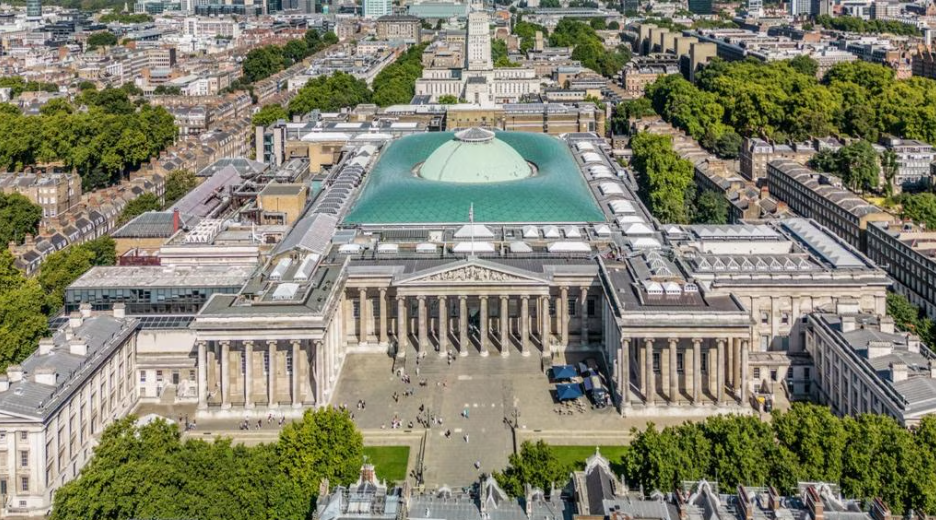
- THE BRITISH MUSEUM: THE HIDDEN ROOMS (2010s)
BUILDING: British Museum (opened 1759)
TECHNOLOGY: Internal survey + architectural analysis
DISCOVERY: Sealed Victorian-era storage rooms and architectural spaces
The British Museum is one of the world's most important cultural institutions. You'd think the staff knows every room.
They don't.
During expansion planning in the 2010s, surveyors discovered sealed Victorian storage rooms and architectural spaces that had been forgotten. Not ancient ruins—these were 19th-century chambers, sealed during renovations and lost to institutional memory.
Some contained artifacts. Others were empty architectural voids created during construction. All had been invisible on building plans because they predated modern documentation standards.
Why it stayed hidden: The British Museum has expanded continuously since 1759. Rooms were sealed to create wall space. Storage chambers became structural voids. Institutional knowledge was lost when curators retired.
Without comprehensive modern surveys, these spaces just... disappeared from awareness.
What this means: Even active, staffed buildings can lose track of their own architecture. If the British Museum doesn't know all its rooms, what about churches with smaller staffs and less funding?
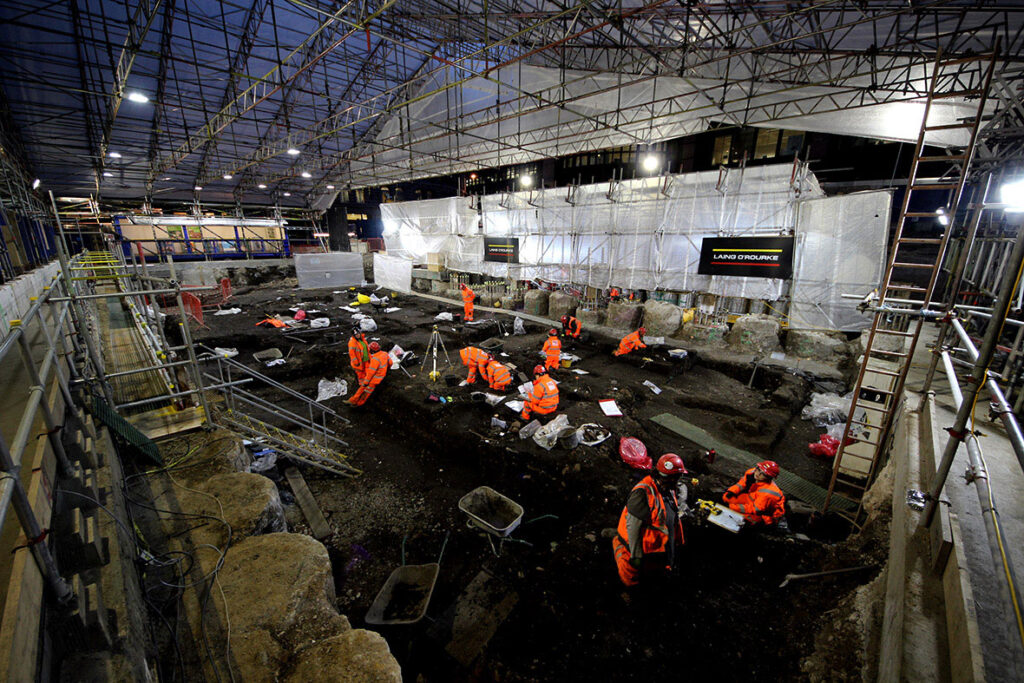
- CROSSRAIL / ELIZABETH LINE: ROMAN LONDON (2009-2019)
PROJECT: Crossrail construction (Elizabeth Line)
TECHNOLOGY: Archaeological excavation guided by GPR
DISCOVERY: Over 10,000 skeletons, Roman roads, Tudor artifacts, medieval plague pits
This isn't a building—it's what was found beneath London while building the Elizabeth Line.
Archaeologists knew Crossrail would uncover artifacts. They didn't know they'd find an entire buried city.
The discoveries:
- Over 10,000 skeletons from different eras
- Roman burial grounds and roads 25 feet below modern pavement
- Medieval plague pits exactly where historical records said they'd be
- Tudor artifacts including bowling balls and leather shoes
- Entire streets of Roman London nobody knew existed
- Anglo-Saxon structures predating the medieval city
Every construction site revealed surprises. Liverpool Street Station: Roman burials. Farringdon: medieval hospital. Tottenham Court Road: ice age fossils alongside modern Tube tunnels.
Why it stayed hidden: London builds on London. Each era buries the previous era's infrastructure. Roman roads became medieval foundations. Saxon graves became Victorian basements. Nothing is demolished—it's just covered and built over.
The Crossrail excavations were the most extensive archaeological project in London history. And they proved that entire layers of the city remain undiscovered beneath our feet.
What this means: London's underground is a time capsule. Wren's church foundations sit on medieval crypts, which sit on Roman walls, which sit on prehistoric geology. All of it still there, waiting.
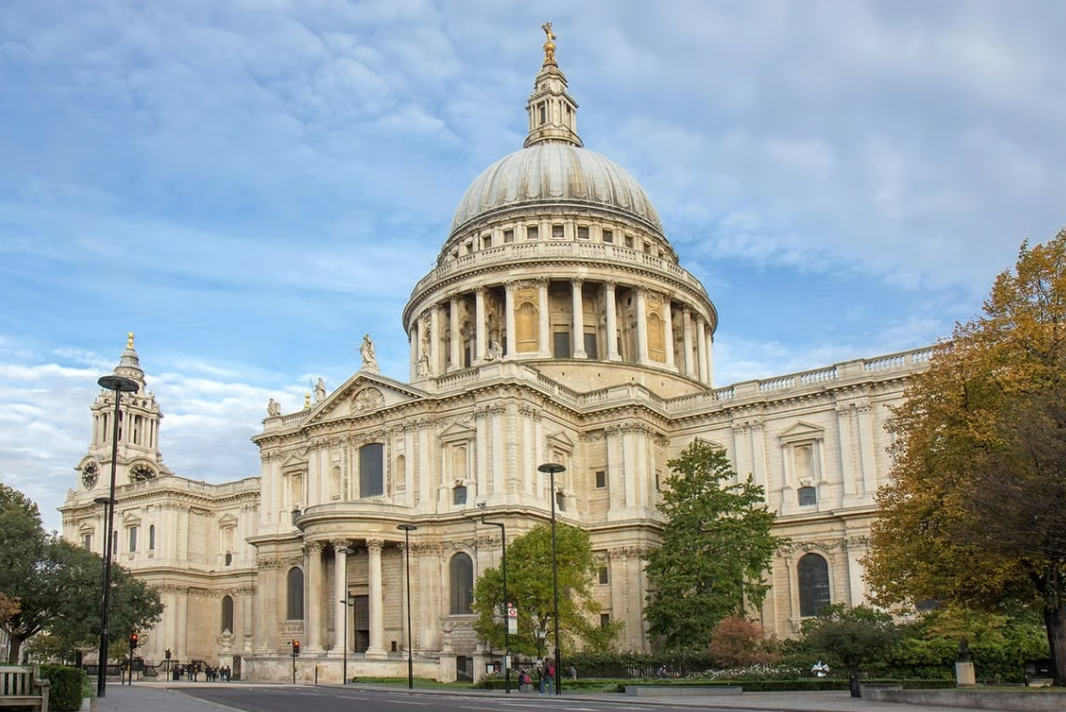
- ST. PAUL'S CATHEDRAL: THE 1880s EXCAVATIONS (STILL RELEVANT)
BUILDING: St. Paul's Cathedral (Wren's masterpiece, 1675-1710)
TECHNOLOGY: Traditional excavation
DISCOVERY: Roman mosaics 18 feet below the demolished medieval church floor
This discovery is from the 1880s, not recent—but it's on this list because it proves something important: we're still learning about St. Paul's.
In the 1880s, Francis Penrose excavated the foundations of Paul's Cross, the outdoor pulpit that once stood in the churchyard. He found medieval structures, Roman walls, and—18 feet below the demolished medieval church floor—a Roman mosaic pavement.
Eighteen feet of London's history layered beneath Wren's cathedral.
But here's the thing: that was 140 years ago. What have we found since then?
In the 1920s: Hidden structural problems requiring emergency reinforcement. Wren's design was failing. Steel bars and chains were embedded throughout the building to prevent collapse.
In the 2000s: Laser scanning revealed architectural details invisible to the naked eye, allowing precise restoration.
In the 2010s-2020s: Restoration work continues to reveal construction techniques and architectural features not fully understood.
Christopher Wren's most famous building—studied for 300+ years—continues to surprise us.
Why it keeps revealing secrets: St. Paul's is complicated. The triple dome (outer dome, inner dome, hidden structural cone) creates spaces nobody sees. The foundations incorporate earlier structures. Victorian reinforcement added invisible elements. Restoration reveals details lost to time.
What this means: If St. Paul's—Wren's masterpiece, his most-studied building—is still revealing secrets in the 21st century, what about his 51 parish churches that receive far less attention?
THE PATTERN
Notice what these discoveries share:
- Famous buildings (Canterbury, Tower, British Museum, St. Paul's)
- Continuous study (none of these buildings were neglected or forgotten)
- Recent discoveries (2000s-2020s, using modern technology or new excavations)
- Architectural complexity (later modifications obscured earlier features)
- Institutional memory loss (knowledge was lost despite documentation)
These aren't ancient mysteries in remote jungles. These are significant buildings in central London, actively maintained, regularly studied—and they're still hiding rooms, vaults, and architectural features we never knew existed.
WHAT ABOUT WREN'S CHURCHES?
Christopher Wren rebuilt 52 churches after the Great Fire of 1666. St. Paul's is the famous one, but the parish churches—St. Bride's, St. Mary-le-Bow, St. Stephen Walbrook, and 48 others—are architectural masterpieces in their own right.
How many have been comprehensively scanned with 2020s technology?
Some have been surveyed for structural engineering. Some have had restoration-related scanning. But systematic investigation looking for sealed chambers?
That requires:
- A research hypothesis (why would Wren hide chambers?)
- Heritage permissions (you can't scan Grade I buildings without justification)
- Academic oversight (proper methodology required)
- Substantial funding (£5,000-20,000 per building)
Without a specific reason to look, why would anyone scan?
The churches are structurally sound—Wren built brilliantly. There's no maintenance crisis driving foundation investigation. Post-war rebuilding after the Blitz focused on above-ground damage. Modern preservation work concentrates on visible architecture.
In THE MONUMENT, it takes a historian noticing patterns in property transfers after the Great Fire to develop the hypothesis that Wren might have documented fraud architecturally.
Only with that hypothesis does systematic scanning make sense.
This mirrors real discoveries:
- Canterbury's crypt: found during restoration scanning (they were looking for structural issues, found a room)
- Tower's palace: found by comparing medieval documents to physical evidence (they had a hypothesis to test)
- British Museum's rooms: found during expansion surveys (they were looking for building capacity, found forgotten spaces)
Discovery requires looking. And looking requires a reason.
Want to explore what might be waiting beneath Wren's churches?
THE MONUMENT is a thriller built on London's documented secrets. Get the first chapters free at themonumentnovel.com
0 Comments